Get Orbit free acount only for today, and get your money with refferal code

November 9, 2026
The NDIS Commission's report card is out. Here's what it means for you

Every year, the NDIS Commission puts out a big report about its work. It's called the Annual Report. The newest one came out on 2 November 2026. It covers July 2025 to June 2026.
Let's be honest. Most people won't read a government report from start to finish. That's okay. So here's the short version.
First up: who is the NDIS Commission?
The NDIS Commission is the "watchdog" for NDIS providers. Its full name is the NDIS Quality and Safeguards Commission.
It is not the same as the NDIA. The NDIA looks after your plan and your funding. The Commission keeps an eye on the people and businesses who provide your supports.
Its job is to:
- make sure providers follow the rules
- deal with complaints about providers and workers
- step in when someone is unsafe
- stop people from working in the NDIS if they do the wrong thing
Think of it like a referee. It doesn't play the game, but it makes sure everyone plays fair.
What does the report say?
The report talks about three big things.
1. Stronger safeguards. A "safeguard" is something that protects you from harm. The Commission says it has done more this year to keep participants safe.
2. Tougher action on bad providers. The Commission says it has taken stronger action against providers who break the rules. This includes "banning orders". A banning order stops a person or business from working in the NDIS.
3. Big changes to the law. New laws passed this year. They give the Commission more power to act. They also change who has to register with the Commission.
The year in numbers
Here are some of the biggest numbers from the report:
- 326 banning orders. That's way up from 194 the year before.
- 2,415 enforcement actions. That's more than double the year before (1,005). Most of these were "compliance notices". A compliance notice is a formal order telling a provider to fix something.
- More than 36,000 complaints finalised. This included clearing over 21,000 older complaints that had been waiting since before July 2025.
- More than 107,000 reportable incidents closed. A reportable incident is a serious event, like a participant being harmed. Providers must tell the Commission about these.
- A record $2.5 million penalty. The Federal Court fined Lifestyle Solutions after participants and support workers were hurt at a supported home on the NSW Central Coast. It's the biggest penalty yet in a case brought by the Commission.
But it's not all good news. The Commission aimed to finish checking 70% of complaints within 90 days. It only managed 59%. So if you've been waiting a long time to hear back, you're not imagining it.
Catching problems earlier
The report also talks about a new plan. The Commission wants to spot problems before they turn into a crisis.
In the past, it often stepped in after something had already gone wrong. Now it wants to use information and data to find risks early.
We think that's a really good goal. Just this month, the ABC reported on families in Victoria whose disability service closed overnight. The owners had already been banned from running another NDIS business. The Commission is now looking into it. Stories like this show why acting early matters so much.
What's changing for providers?
Here are a few changes worth knowing about:
- More providers must register. Since 1 July 2026, Supported Independent Living (SIL) providers and NDIS digital platforms must be registered with the Commission.
- No more "freebies" to win your business. From 27 November 2026, providers can't offer you kickbacks or gifts to get you to use them.
- Keeping records. Providers now need to keep records about NDIS claims for 7 years. Participants and plan managers need to keep them for 3 years.
What does this mean for you?
The rules only work if people use them. Here's what you can do.
Check your provider. You can look up registered providers on the Commission's website. You can also see if a provider has been banned.
Speak up if something feels wrong. You can make a complaint to the NDIS Commission for free. Call 1800 035 544 or go to the Commission's website. You can also ask a family member, friend or advocate to help you.
Our take
No report fixes everything. There's still a long way to go. Too many people are still let down by providers who cut corners.
But we're glad to see a stronger focus on safety and on stopping problems early. At Marco Polo, we believe you should never have to choose between connection and safety. That's what "Connection Without Compromise" means to us.
Got questions about the report? Or want to share your experience? Drop us a message on Facebook, Instagram or LinkedIn. We'd love to hear from you.
This blog is for general information only. It isn't legal or financial advice.
Sources:
NDIS Commission news item
Securing the NDIS timeline, health.gov.au
ABC News, 4 Nov 2026
ndiscommission.gov.au
About the Author
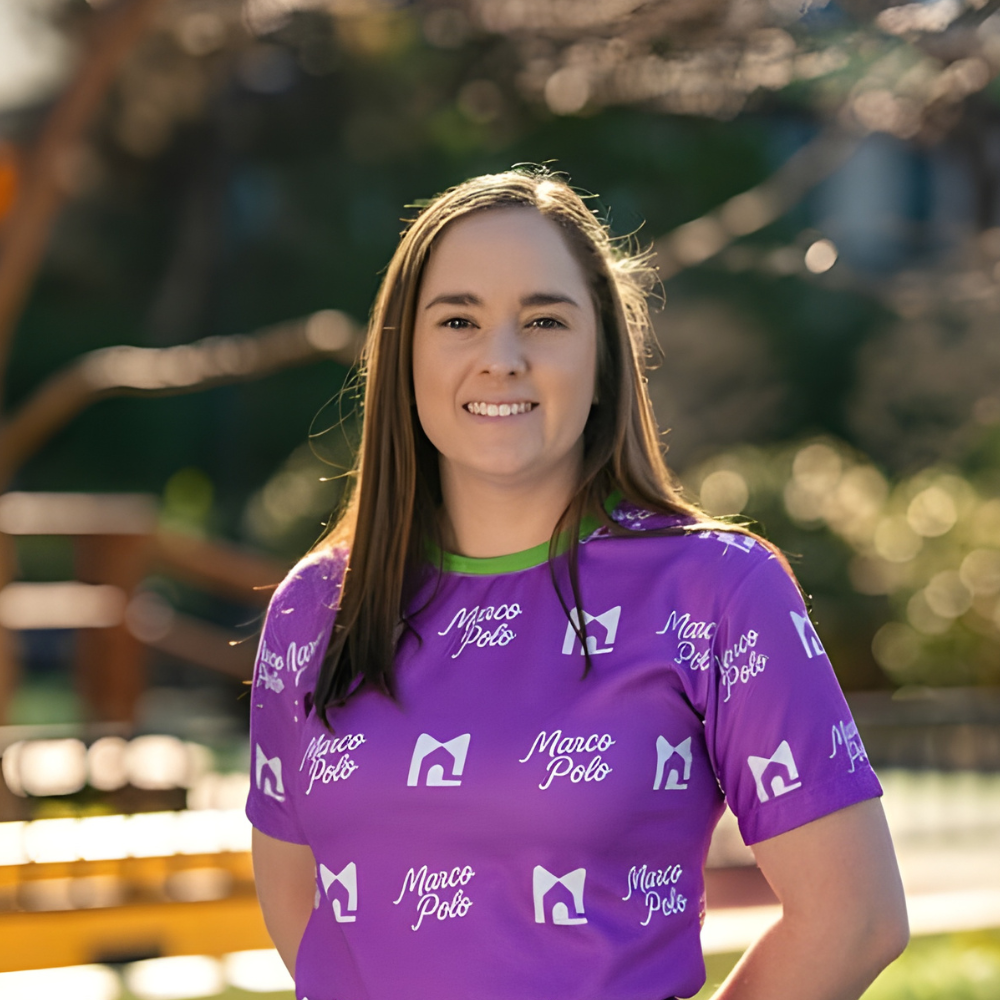

Amy Connelly
Amy Connelly is a proud Dharug woman, registered nurse, and social worker whose career has been driven by a simple conviction: people with disability deserve real choice over how and with whom they live. She saw the gaps up close, first as a Local Area Coordinator with Carers QLD, then as a Supported Independent Living provider through Acorn Homes, where the same problem kept surfacing: participants were rarely given a say in their own housing.
So she set out to change it. Amy co-founded Marco Polo Portal, the first NDIS housemate-matching platform built to put participants at the centre of housing decisions, giving them the power to choose their own housemates and providers. The work has since earned a place in Remarkable Tech's 2025 accelerator, though for Amy the real measure has always been impact on the ground: dignity, autonomy, and people living life on their own terms.
She writes from a background in frontline care and lived experience of the sector, for anyone ready to rethink what disability housing can, and should, look like.


Join our newsletter to stay up to date on features and releases.

Marco Polo acknowledges the Traditional Owners and Custodians of Country throughout Australia and recognizes their enduring connection to land, waters, and community. We pay our respects to Elders past, present, and emerging and extend that respect to all First Nations people.
We acknowledge that First Nations people experience disability at a higher rate and face unique challenges within the disability sector. We are committed to listening, learning, and working collaboratively with First Nations communities to support inclusive, culturally respectful services that honor Indigenous values of family, community, and shared care.