Get Orbit free acount only for today, and get your money with refferal code

July 16, 2026
The New SIL Practice Standards: How Marco Polo Helps

From 1 July 2026, registered SIL providers are audited against a new Supported Independent Living module in the NDIS Practice Standards. It has four standards: supported decision-making, safeguarding, practice governance, and agreements about tenancy, housing and support. Underneath the compliance language is a clear message: a SIL home is the participant's home, and participants must genuinely choose who they live with and how they're supported. Marco Polo Portal is built around exactly that, which makes it a practical tool for meeting several of these standards.
This article is for SIL providers, support coordinators, and participants and families who want to understand the new SIL Practice Standards module in plain English, and see how participant-led housemate matching connects directly to what the standards now require. We'll walk through each of the four standards, what auditors will be looking for, and where a tool like Marco Polo fits the picture.
A quick, honest note: we build Marco Polo, so we have a stake in this. But the standards are the NDIS Quality and Safeguards Commission's, not ours, and we've linked the source. Read them yourself and judge the fit.
What's actually changed?
From 1 July 2026, Supported Independent Living becomes its own registration category (registration group 0138), and every registered SIL provider is audited against a new SIL-specific module that sits on top of the existing Core Module. The Commission released the draft in late May 2026, developed in partnership with Inclusion Australia and people with disability, and the final version applies from 1 July.
The shift in emphasis is the important part. These standards focus on what you actually do, not just what your policies say. An auditor isn't satisfied by a document that mentions participant choice; they want evidence that choice genuinely happens in daily practice. As the Commission frames it, decisions about a participant's home, routines and relationships are made by them, not for them.
There are four standards. Here's each one in detail.
Standard 1: Supported decision-making
This standard requires providers to show that participants make real, informed decisions about their own lives, including their home, their routines, their relationships, and crucially, who they live with.
For housing, and it's stated directly in the module: participants must be given the opportunity to participate in and make decisions about their home, including who they live with, and this includes consultation with impacted participants before placing new tenants in the home, ensuring participants are matched with compatible co-tenants. Auditors want evidence that this is systematic, not tokenistic, that you've moved beyond "we asked the participant" to demonstrating how their preferences actually shaped who they live with.
This is Marco Polo's core function. The platform exists specifically to let participants find and choose compatible housemates, rather than being placed into a vacancy. When a provider uses participant-led matching, the evidence of supported decision-making around co-tenancy isn't something you have to manufacture after the fact; it's built into the process. The participant browsed, chose, met, and agreed to their housemates. That's a documented decision trail showing choice was genuine, which is exactly what this standard asks for. (We've written more on the participant's underlying right to choose their own housemates, which this standard now reinforces from the compliance side.)
Standard 2: Safeguarding
This standard is about keeping participants safe from violence, abuse, neglect, harm, bullying and conflict in shared living, while still respecting dignity of risk. It puts specific weight on the relationship-based risks that come from people sharing a home, and requires providers to identify, assess and respond to risks like bullying and conflict between housemates.
Compatibility is a safeguarding issue, and this standard effectively recognises that. A house where incompatible people were thrown together by a vacancy is a house carrying built-in relationship risk: friction, conflict, escalation, and the harm that can follow. A house where compatible people chose each other starts from a much safer foundation.
Marco Polo contributes to safeguarding at the front end, before anyone moves in, by helping participants match on compatibility rather than availability. It doesn't replace a provider's incident management, risk assessments, or worker training. But getting the match right at the start is a genuine, preventative safeguard against exactly the relationship-based risks this standard targets. Prevention beats response, and good matching is prevention. (When a match does go wrong, the response side matters too, which we cover in what to do when an NDIS housemate isn't working out.)
Standard 3: Practice governance
This standard asks whether your governance, supervision, and worker systems describe what really happens. It grew directly out of the Commission's findings that governance failures, inadequate supervision, poor rostering decisions, and lack of oversight, were root causes of participant safety incidents in supported accommodation.
One theme worth drawing out: conflict of interest and the separation of functions. The standards, and the related SDA module, put real weight on structural separation, particularly where one organisation controls both the housing and the support. This is the vertical-integration issue we've written about across this blog: when the provider owns the house, employs the coordinator, and provides the support, the participant's "choices" all come from inside one pipeline.
Marco Polo sits outside that pipeline. As an independent matching platform, it lets participants find housemates and form groups without the matching being driven by any single provider's vacancies. For a provider trying to demonstrate that participant choice is genuine and not just an internal reshuffle of their own current housemates, being able to show that matching happened through an independent platform is useful governance evidence. It also helps coordinators demonstrate they're acting in the participant's interest rather than steering toward a related provider. (We've written separately on how to change SIL providers and spotting closed-system arrangements.)
Standard 4: Agreements about tenancy, housing and support
This standard requires that a participant's tenancy or housing arrangement and their SIL support arrangement are clear, separate, and not contingent on each other. The service agreement and the tenancy agreement must be legally distinct. The participant's tenancy rights, keys, private space, visitors, must be protected so the home is a place of security. And participants must be supported to understand how the two agreements interact.
This is the compliance-side version of a point we've made for a long time: the support and the house are two different things, funded and governed differently. The "SIL home" is really a support arrangement delivered into a housing arrangement, and conflating the two is where participants lose power. (We unpack this in what is a SIL house, which explains why the house usually belongs to the provider, not the participant.)
Marco Polo's role here is more indirect, but real. By separating the question of "who do I want to live with" from "which provider delivers my support" and "whose house is this," the platform reinforces exactly the distinction this standard is trying to protect. Participants who've chosen their housemates independently, then chosen a provider, then sorted a house, arrive at their agreements understanding that these are separate things, because they experienced them as separate steps. That clarity is what the standard wants participants to have.
The honest limits
Software doesn't pass an audit; your practice does. Marco Polo is a matching platform, not a compliance system. It won't write your policies, log your incidents, run your supervision records, or produce your evidence packs. Providers still need their governance, their worker training, their risk assessments, and their documentation, and a good compliance partner or auditor for the full picture.
What Marco Polo does is give you a genuine, participant-led mechanism for the co-tenancy decision-making and compatibility matching that sit at the heart of Standards 1 and 2, plus an independent, outside-the-pipeline process that helps with the governance and separation themes in Standards 3 and 4. It's one useful piece of a bigger compliance and quality picture, and it happens to be the piece most directly about the thing that actually determines whether a SIL home works: the people in it.
What providers and coordinators should do now
A few practical steps.
Don't wait for the final wording to act; the four standards and their intent are settled. Review your current approach to how co-tenants are matched and whether you can evidence that participants genuinely chose who they live with. If your honest answer is "we placed them based on who had a vacancy," that's the gap the supported decision-making standard is designed to close.
Build a documented decision trail for co-tenancy. Whatever tool you use, you need evidence that participants participated in and consented to who they live with, with consultation before new tenants move in. Participant-led matching produces that trail as a by-product.
Look hard at conflict of interest and separation. If your organisation delivers both the housing and the support, the governance and tenancy standards want clear structural separation, and independent matching helps demonstrate that participant choice wasn't just an internal allocation.
And keep the participant's voice central, because that's the through-line of all four standards. The Commission has even published Reflective Questions for Participants to strengthen that voice. The more genuinely participants lead decisions about their home and housemates, the more naturally the evidence follows.
Your home. Your housemates. Your call.
The new SIL Practice Standards put into regulation what good practice always knew: a SIL home is the participant's home, and the people who live there should choose each other, not be placed together for convenience. Supported decision-making, safeguarding, practice governance, and clear separate agreements all point the same way, toward participant-led, compatibility-first housing. That's the whole idea Marco Polo was built around.
If you're a SIL or ILO provider preparing for the new standards and want a participant-led matching process that produces genuine choice, our provider page is the place to start. If you're a support coordinator wanting to evidence that your clients genuinely chose their housemates, free of conflict of interest, our coordinator page has the tools. And if you're a participant or family who wants to choose your own housemates rather than be placed, Marco Polo Portal is $97 a year, non-renewing, and usually claimable through your NDIS plan.
Your home. Your housemates. Your call. Always.
Frequently Asked Questions
What are the new SIL Practice Standards?
They are a new Supported Independent Living module in the NDIS Practice Standards that registered SIL providers are audited against from 1 July 2026. There are four standards: supported decision-making, safeguarding, practice governance, and agreements about tenancy, housing and support. They focus on what providers actually do in practice, not just what their policies say.
Do the new SIL standards replace the Core Module?
No. The four SIL standards are a new SIL-specific supplementary module that sits alongside the existing Core Module. Registered SIL providers must demonstrate compliance with both the Core Module and the four new SIL-specific standards through a certification audit.
What does the supported decision-making standard say about housemates?
It requires providers to give participants the opportunity to make decisions about their home, including who they live with, and to consult impacted participants before placing new tenants, ensuring participants are matched with compatible co-tenants. Auditors want evidence that this choice is genuine and systematic, not a box ticked at intake.
How does housemate matching relate to safeguarding?
The safeguarding standard focuses on relationship-based risks in shared living, like bullying and conflict between housemates. Matching compatible people at the start is a preventative safeguard against those risks. A house where people chose each other starts from a safer foundation than one where incompatible people were placed together by a vacancy.
Can Marco Polo help my SIL service meet the new standards?
It can help with parts of them. Marco Polo provides participant-led housemate matching, which directly supports the supported decision-making standard's requirement that participants choose who they live with, and contributes to safeguarding through better compatibility. It is not a full compliance system and does not replace your policies, incident management, or governance documentation.
Why does separating tenancy and support agreements matter?
The tenancy standard requires that a participant's housing arrangement and their SIL support arrangement are clear, separate, and not dependent on each other, so the home is a place of security rather than leverage. This protects participants' tenancy rights, like keys, private space and visitors, and prevents a provider from using housing to control support or vice versa.
When do the new SIL Practice Standards start?
They apply from 1 July 2026, the same date SIL registration becomes mandatory under the new registration group 0138. The draft was released in late May 2026 and developed with Inclusion Australia and people with disability. The four standards and their intent are settled, so providers are advised to prepare now rather than wait.
Does software make me audit-ready?
No. Software does not pass an audit; your practice does. Tools like Marco Polo can provide genuine evidence for specific parts of the standards, such as participant-led co-tenancy decisions, but providers still need their own governance, worker training, risk assessments, and documentation. Treat any tool as one piece of a larger compliance and quality picture.
About the Author
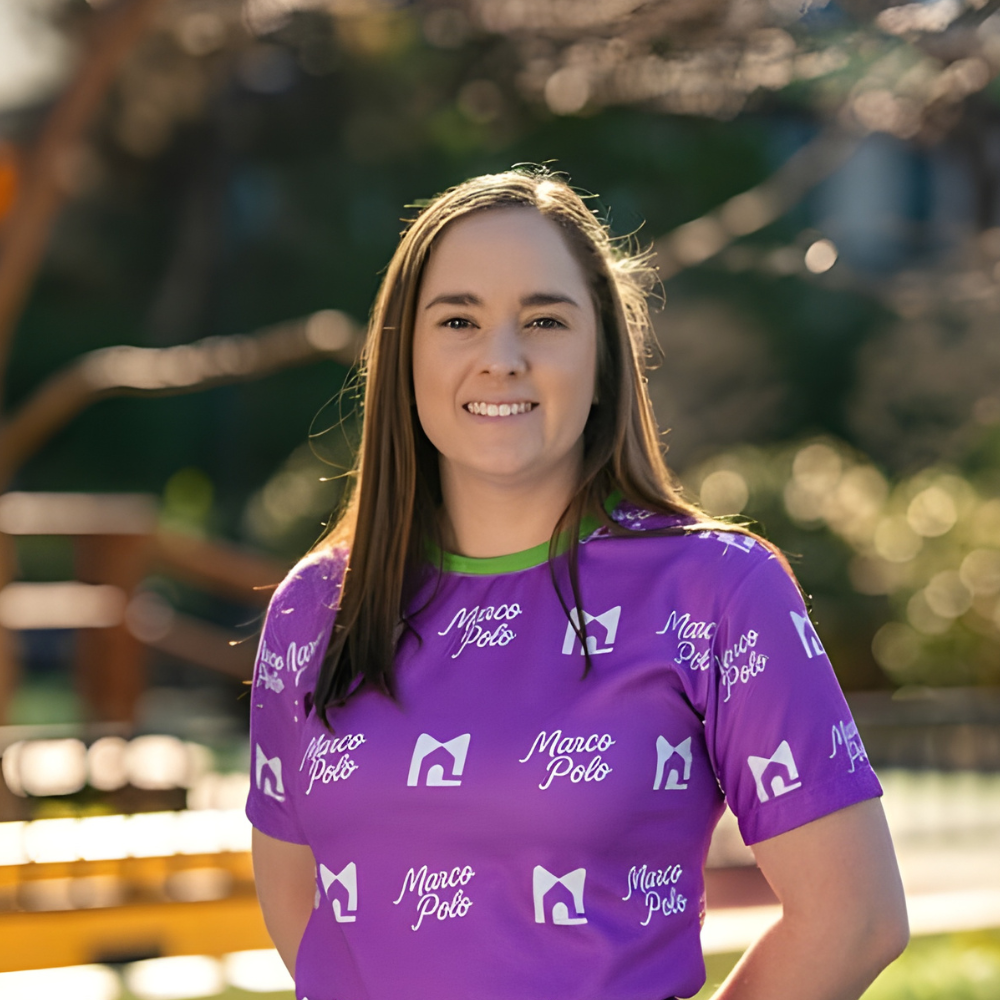

Amy Connelly
Amy Connelly is a proud Dharug woman, registered nurse, and social worker whose career has been driven by a simple conviction: people with disability deserve real choice over how and with whom they live. She saw the gaps up close, first as a Local Area Coordinator with Carers QLD, then as a Supported Independent Living provider through Acorn Homes, where the same problem kept surfacing: participants were rarely given a say in their own housing.
So she set out to change it. Amy co-founded Marco Polo Portal, the first NDIS housemate-matching platform built to put participants at the centre of housing decisions, giving them the power to choose their own housemates and providers. The work has since earned a place in Remarkable Tech's 2025 accelerator, though for Amy the real measure has always been impact on the ground: dignity, autonomy, and people living life on their own terms.
She writes from a background in frontline care and lived experience of the sector, for anyone ready to rethink what disability housing can, and should, look like.


.png)


Join our newsletter to stay up to date on features and releases.

Marco Polo acknowledges the Traditional Owners and Custodians of Country throughout Australia and recognizes their enduring connection to land, waters, and community. We pay our respects to Elders past, present, and emerging and extend that respect to all First Nations people.
We acknowledge that First Nations people experience disability at a higher rate and face unique challenges within the disability sector. We are committed to listening, learning, and working collaboratively with First Nations communities to support inclusive, culturally respectful services that honor Indigenous values of family, community, and shared care.